Dover
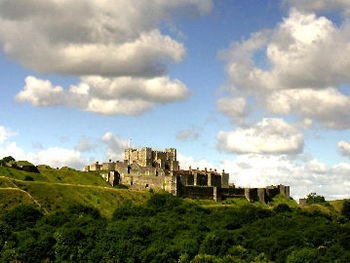
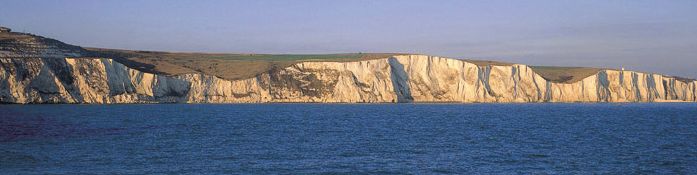
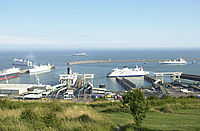
Dover, with its history going back more than 4,000 years, is the busiest passenger ferryport in the world. Set in and around the valley of the river Dour, and its famous white cliffs, Dover has always been in the frontline of history.
The first known settlement dates from about 2000BC and in 1993 a 3,000 year old Bronze Age Boat - possibly the earliest channel ferry - was discovered buried in the town.
For centuries its position, just 21 miles from the continent, has proved a haven for monarchs and princes, clerics and warriors and other travellers crossing the English Channel. Today Dover is enjoying the benefits of careful upgrading with millions of pounds being spent on new facilities at the port and in the town. European Union money is helping to pay for this transformation.
The port is a hive of colourful activity as cross Channel ferries, and other craft criss-cross back and forth to Calais while international cruise liners regularly visit.
Behind the newly reconstructed promenade lies the town so rich in history. Town trails lead visitors on tours around places of interest including the ancient Maison Dieu, originally a hospice for pilgrims, the parish church of St Mary-the-Virgin with its many links with seafarers, and the tiny St Edmunds Chapel first consecrated in 1253.
A Roman Villa, with painted external walls, (Roman Painted House) in New Street, built around the remains of Roman forts and town is well worth a visit.
Other interesting tourist attractions include Dover Transport Museum, now accommodated in former barracks at Old Park, and Crabble Mill, a completely restored working water mill with the added interest of an art gallery.
There are many peaceful gardens including Connaught Park , Granville Gardens on the sea front, Kearsney Abbey , Bushy Ruff and Russell Gardens.
Dover is Twinned with Calais